Inlets and the ICW are one Atlantic pattern
Daytona Beach, New Smyrna Beach, Melbourne, and Stuart boats that live in slips take inlet spray on the posts and run chargers on pedestals. 33 CFR 183.420 still wants real terminal hardware and a hydrogen vent in that wet box. Salt on the terminals is a connection failure. A charger on the wrong chemistry is a second failure. We look at both.
Inland Volusia is a different job
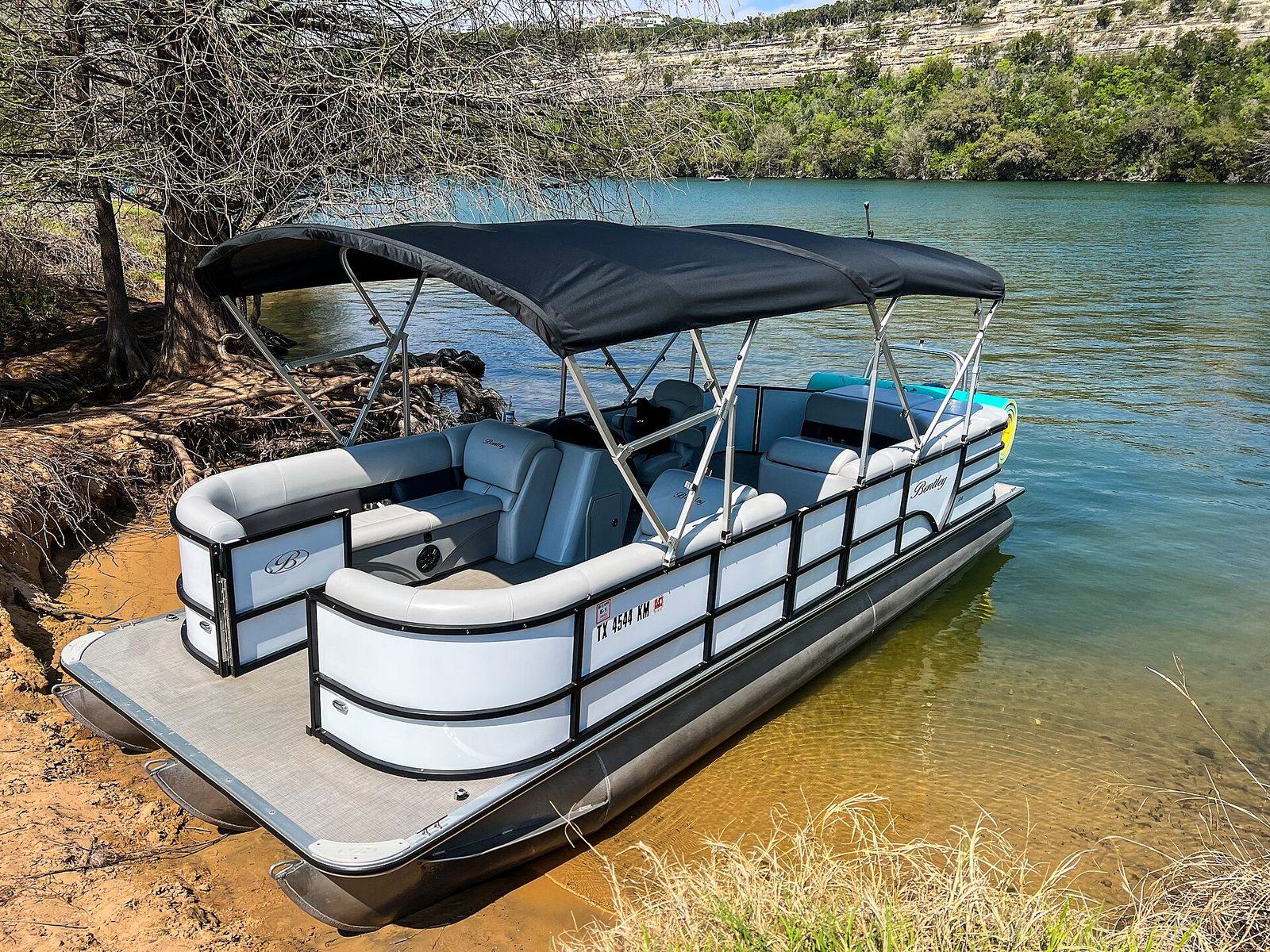
Volusia County includes Daytona inlet boats and also Deltona, Pierson, and West DeLand on St. Johns lakes. Those inland towns are trolling banks and trailer heat. A bass boat stored in Pierson does not pick up inlet spray from sharing a county line with Daytona.
Slip chargers
A pedestal that lost GFCI looks like two dead batteries. BU-403’s chemistry windows still apply on the Atlantic side of the state. Lithium on a lead float (BU-409b) fails here the same way it fails on a Gulf lift.
Center consoles at the inlet
Scout and Grady-White dual-battery boats are common. Vibration plus salt plus a closed console is the AGM starting conversation (BU-201a). We measure the well.
We come to the boat
A slip in New Smyrna or a trailer in Melbourne is a visit. Tell us the town, not only the county, so the geography of the quote matches the water you actually use.
ICW slips versus the Halifax name on a map
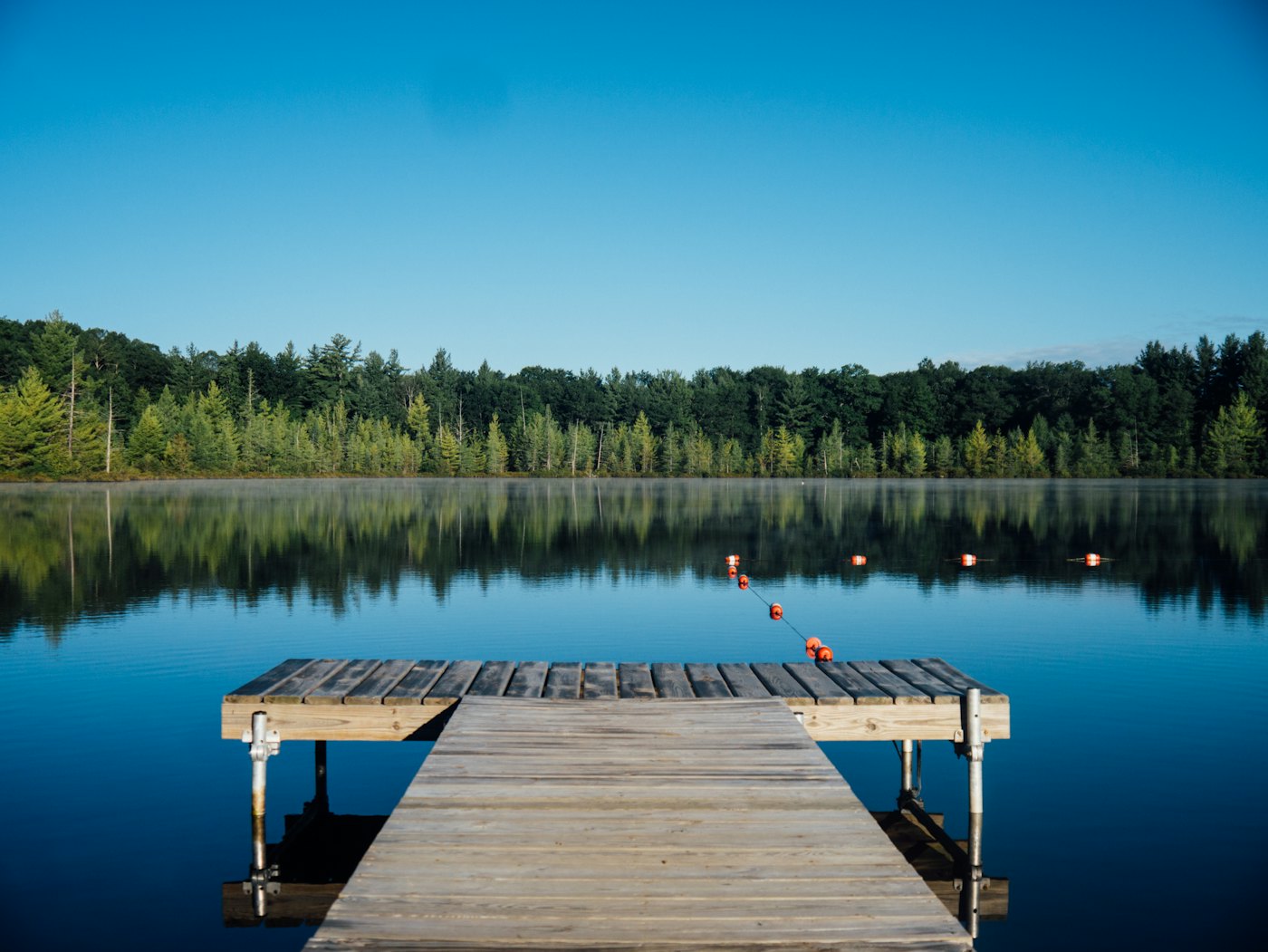
A boat in a Daytona slip sees inlet water. A boat stored in Deltona does not, even when both owners say Volusia. We ask where the hull sits tonight. Terminal grease and a pedestal charger belong to the slip. A trolling string on a trailer belongs to the lake. The county outline is not the job.
Sources
- 33 CFR § 183.420 — Batteries (Cornell LII)
- Battery University BU-403 — Charging Lead Acid
- Battery University BU-409b — Charging Lithium Iron Phosphate
- Battery University BU-201a — Absorbent Glass Mat (AGM)
If this is the job on your boat, see how we replace batteries at the boat. We come to you — Florida towns and counties.