The water is salt. The box is still a battery box.
Lee County, Naples, and Tampa Bay boats live in salt air. Terminals corrode. Consoles stay closed and hot. BU-806a’s heat guideline still applies inside those wells. We come to the lift, the dock, or the trailer. The boat is the workplace.
What we actually see on this coast
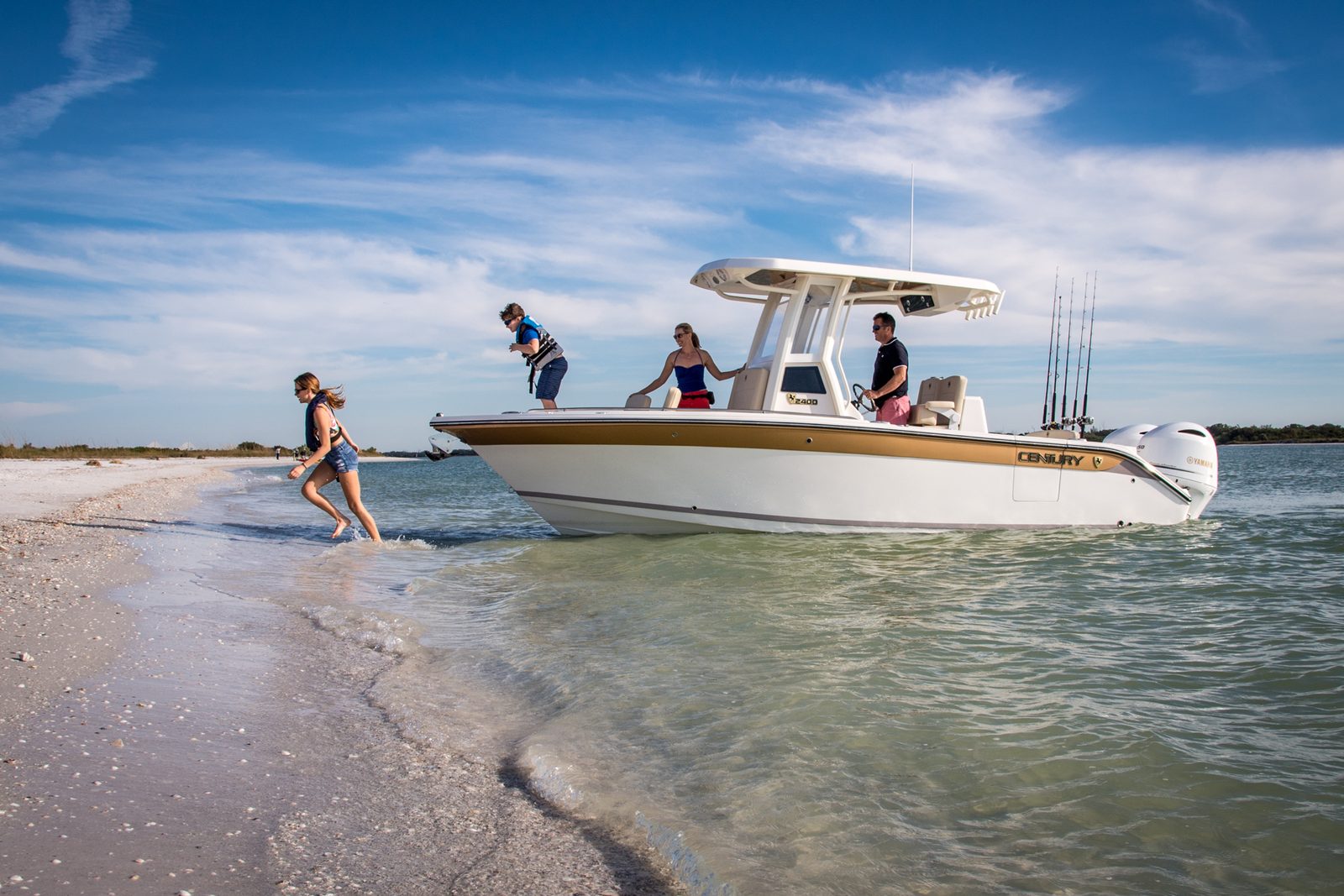
Center-console starting batteries, dual switches with green studs, and chargers on pedestals that tripped in a storm. Pontoons on canals add furniture-box heat. Offshore Grady-Whites and Whalers add vibration. A lake town in Pasco that never sees Tampa Bay is a trolling-bank and trailer job, not this salt-console story.
Chemistry that survives spray
AGM starting batteries (BU-201a) earn their keep when the well sees washdown. Flooded still works if it is vented and watered. Lithium house on a slip charger needs a program that stops at full (BU-409b). We match what the well can live with.
Access from a dock
Some owners keep the boat in a marina we can walk. Some keep it on a trailer behind the house. Both are “we come to you.” A photo of the open console beats a description of the marina name.
Call with the hull in mind
Engine, whether there is a second battery, and where the boat sits tonight. We quote from that, not from a Gulf adjective.
Marinas, lifts, and trailers on the same coast
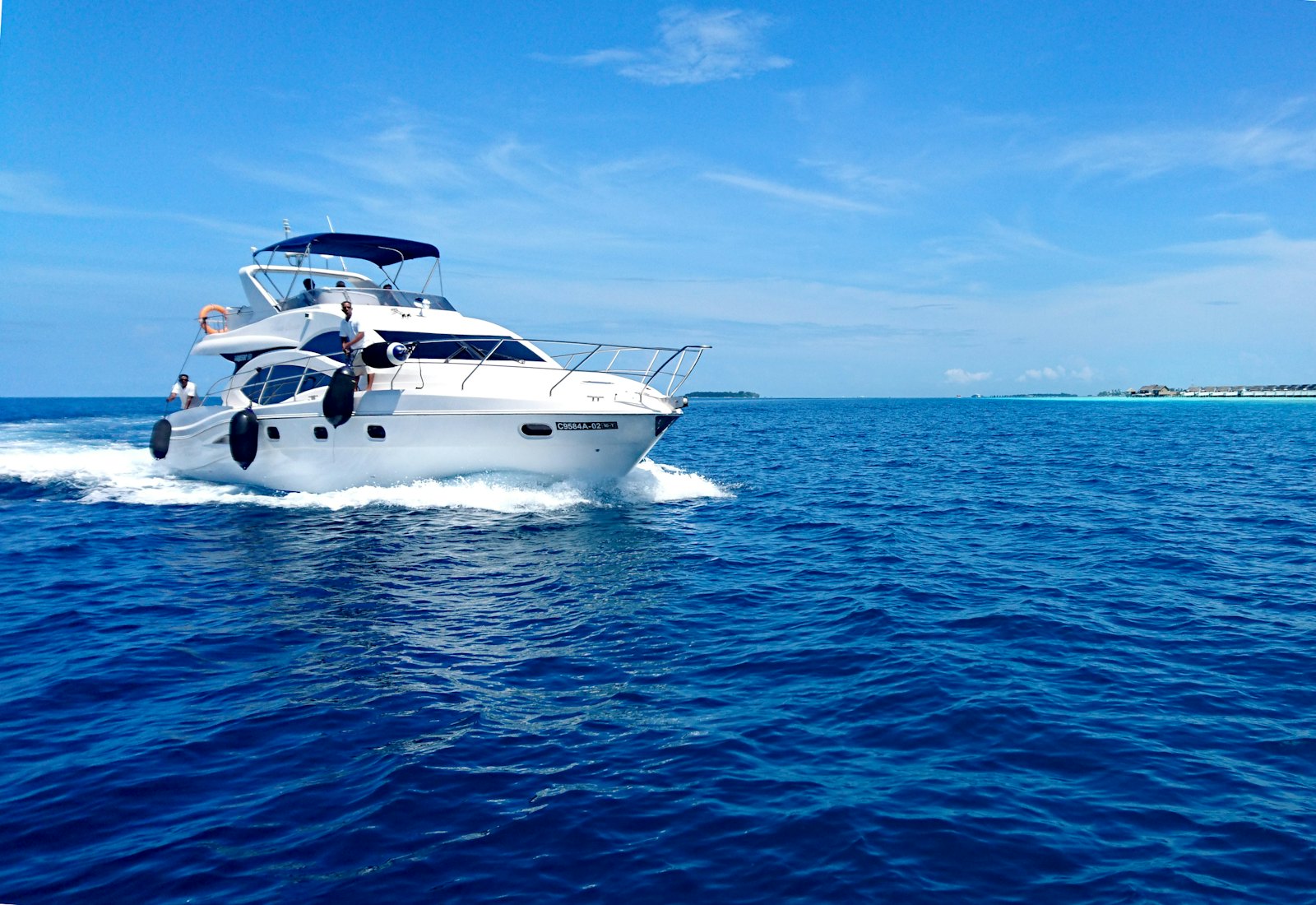
A Whaler in a Naples slip, a Grady-White on a Fort Myers lift, and a skiff on a Tampa trailer are all Gulf jobs and they are not the same walk. Salt on posts is the shared problem. Access and chargers are not. Tell us which of those three the boat is tonight. We load terminal hardware either way, and we still measure the well before we commit to a group size.
Sources
- Battery University BU-806a — How Heat and Loading Affect Battery Life
- Battery University BU-201a — Absorbent Glass Mat (AGM)
- Battery University BU-409b — Charging Lithium Iron Phosphate
If this is the job on your boat, see how we replace batteries at the boat. We come to you — Florida towns and counties.