The usual lake boat
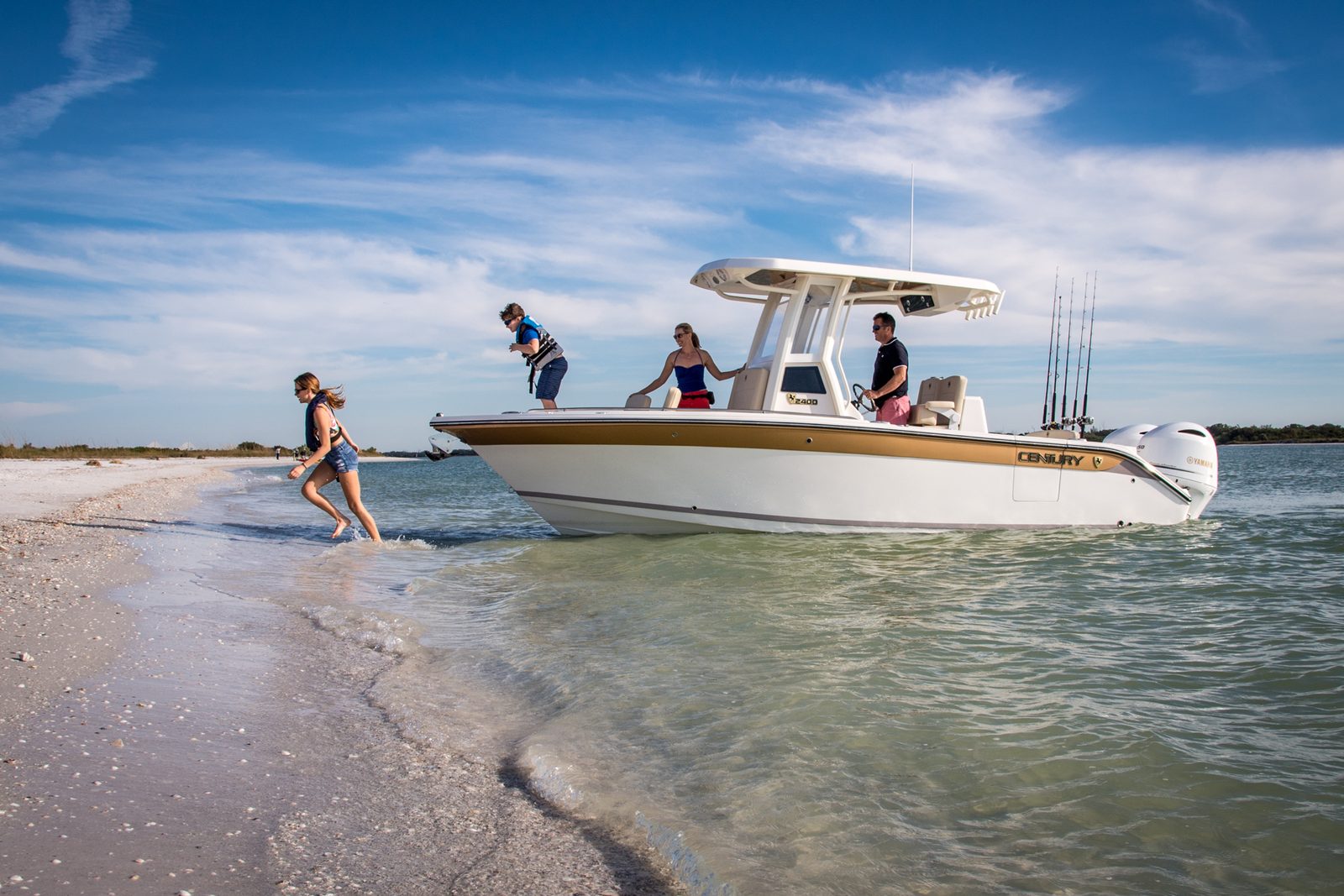
Polk, Lake, and Orange County hulls are bass boats, pontoons, and skiffs. The electrical product is a 12-, 24-, or 36-volt trolling bank and a separate starter. They live on trailers. Sulfation from sitting discharged (BU-802) and heat on a driveway (BU-806a) beat salt air as the failure mode. We come to the driveway or the storage lot.
Series strings on the Harris Chain
BU-302’s matching rule is the weekly lesson: one new battery in a tired 36-volt string is a short Saturday. We quote the string. Motor voltage from the bow, not from the hull logo.
Pontoons on Lake Toho and the Chain
Furniture-box batteries and a cover in the sun are the pontoon version of the same heat story. Starting and stereo are different trays. A charger on the transom that nobody plugged in after July 4 is October’s no-start.
Lake heat, not inlet spray
Leesburg jobs are trolling banks and driveway heat. Winter Haven is the same pattern. Salt-air terminal work belongs to boats that actually sit in salt water, not to every Central Florida hull because the owner once towed to the coast.
What to send
Motor volts, number of trolling batteries, and whether the boat has sat. Orlando and Leesburg owners usually have the motor brand; we still confirm voltage on the sticker.
Pontoon cousins on the same lakes
Not every Central Florida hull is a bass boat. Furniture-box pontoons on the Harris Chain still sit in the same heat and still need a charger after the weekend. We open the seats. If the owner tows that pontoon to the Gulf twice a year, salt is a rare guest, not the weekly failure. The weekly failure is still a discharged bank in a driveway.
Sources
- Battery University BU-802 — What Causes Capacity Loss
- Battery University BU-302 — Series and Parallel Battery Configurations
- Battery University BU-806a — How Heat and Loading Affect Battery Life
If this is the job on your boat, see how we replace batteries at the boat. We come to you — Florida towns and counties.