Starting battery replacement
Engine-start batteries at the boat.
We test and replace starting batteries at your boat and make sure the new one fits the tray.

Services
Starting, house, and trolling-motor batteries at the dock, the lift, or where the boat is kept.

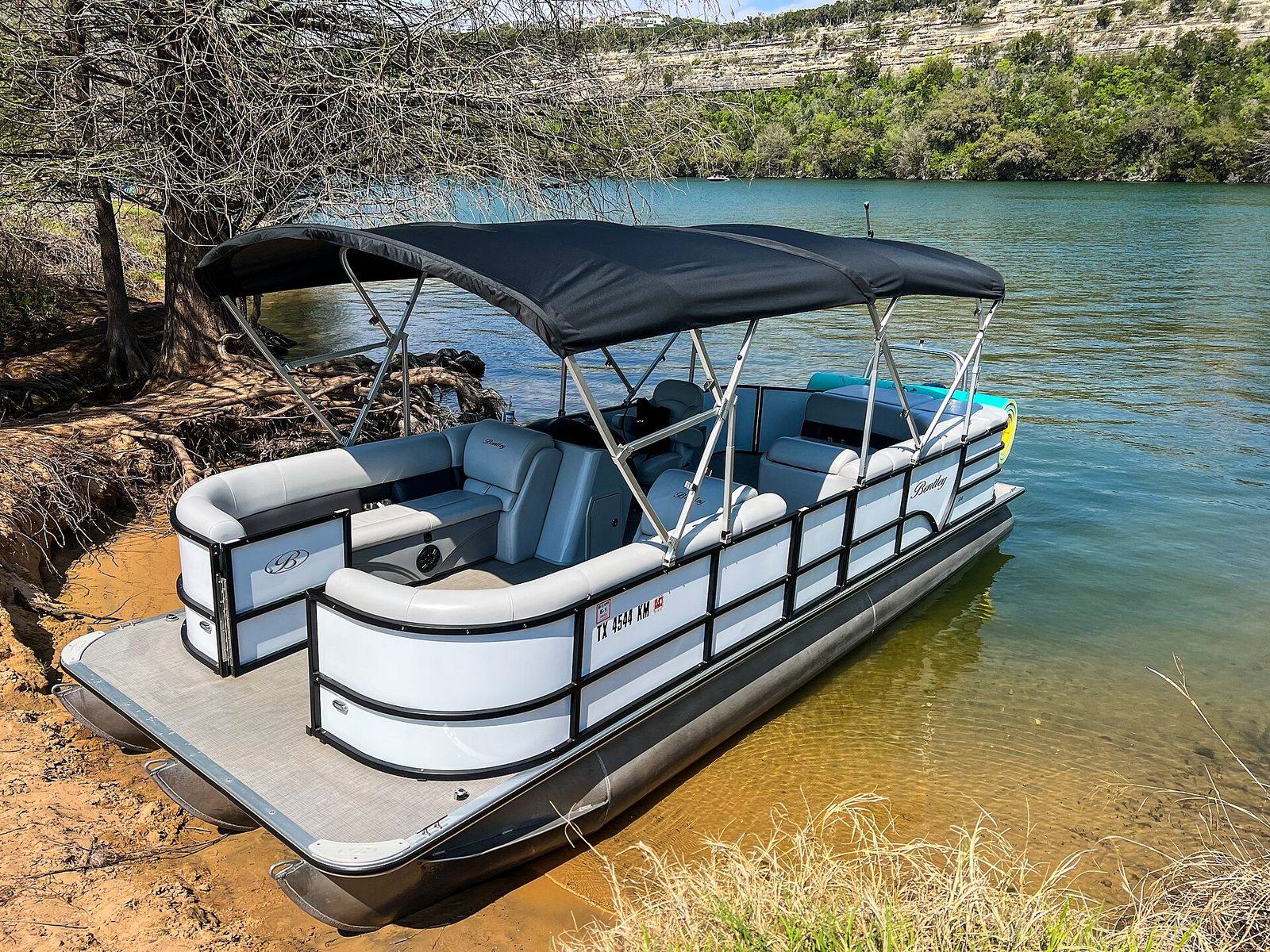
We come to you.
Marine Battery Service is operated by Mobile Battery Pros LLC.
We provide marine battery replacement and installation at your dock, lift, or storage location. We review the battery’s job, tray size, connections, and charging setup before confirming the work.
See counties we come to or request a visit.
Services
Marine battery replacement and installation at the dock, the lift, or where the boat is kept.
Read Starting, house, and trolling-motor batteries.
Engine-start batteries at the boat.
We test and replace starting batteries at your boat and make sure the new one fits the tray.
Lights, pumps, electronics, and living loads.
We service the set of house batteries that run lights, pumps, and electronics, and we check cables and how the set is wired.
Dedicated trolling-motor power.
We replace trolling-motor batteries and check the on-board connections so voltage and tray size match the motor.
What the boat actually needs.
We start with boat type, what the battery has to do (start, house, both, or trolling), tray size, and charging setup.
Help at the boat, when it fits the visit.
Installation can be part of a dockside visit: matching the battery to the tray, cables, and charger. We confirm the scope when we schedule.
Compatibility
Different boats need different batteries. This is a starting conversation.
| Job | Typical use | Notes |
|---|---|---|
| Starting | Engine cranking | Sized to the engine and the battery tray. |
| House / deep-cycle | Onboard living loads | Depends on electronics, inverter use, and charging. |
| Dual-purpose | Start plus modest house loads | A single battery doing two jobs. |
| Trolling motor | Dedicated thrust power | Voltage and tray size have to match the motor. |
How it works
A four-step visit at the boat.

Share boat type, where it sits (dock, lift, storage), and whether the need is starting, house, trolling, or unclear.
We review the job, tray size, and charging before the visit.
Service at the marina, lift, or wherever the boat is kept.
Battery work completed on site when the visit is confirmed.
On the boat
A starting battery delivers a short burst to crank the engine. A house or deep-cycle battery is built to run lights, pumps, and electronics for hours. A trolling-motor battery is a dedicated deep-cycle set for thrust — often 12, 24, or 36 volts using more than one battery. Dual-purpose batteries try to do starting and modest house loads in one box; they are a compromise, not a magic fit.
These are battery types. Fit still depends on the tray, the charger, and the job on the boat.
Battery size (the case size, often group 24, 27, or 31) has to fit the tray and clamps. Marine cranking amps describe starting punch at a moderate temperature; reserve capacity and amp-hours describe how long a house battery can run. Those numbers only help once the job is clear.
Before a visit
Useful whether we come to the boat or you are preparing the space.
Installation can be part of a visit. We confirm the scope when we schedule.
Cost
Every quote is based on your boat. These are the variables that move the number.
Brands
You’ll see these names on many recreational boats. Fit is still about the job, the tray size, and the charger. The links go to official sites.
Tampa Bay
One market across two counties. Hillsborough County and Pinellas County.
Next
Pick a county in our Florida service area, read Starting, house, and trolling-motor batteries, or battery service questions.
Call
Call (833) 467-7400.
Availability and visit details are confirmed before service.
Next step
Call (833) 467-7400 or request a visit. See questions or where we come to you.